Solutions
Find a workflow that fits your work
From your first deployment to a growing service, see how Phelix helps you run Go and Rust apps on your own servers.
simulated
an agent, a human, or a push · all three land in the same pipeline
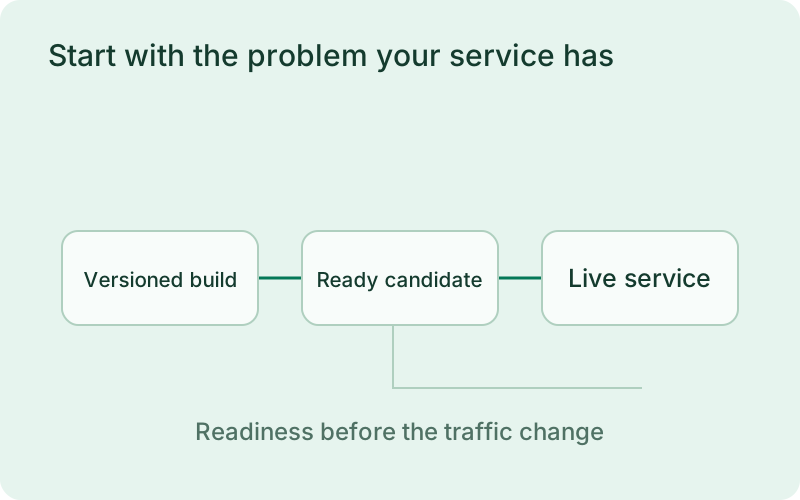
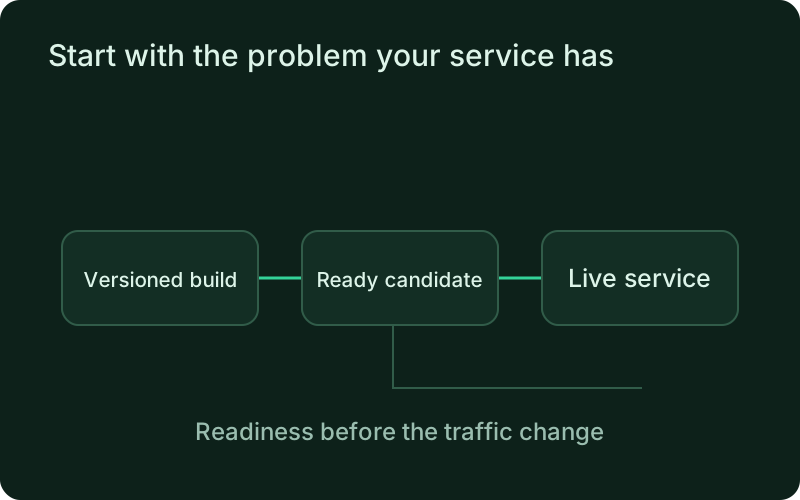
Start with the problem your service has
A first deployment, a growing background queue, and a server maintenance review call for different workflows. The solutions below explain how Phelix fits those situations, from preparing a Go or Rust release to supervising workers and recurring tasks. Start with the outcome you need, then review the workflow and its practical limits before choosing the related feature or step-by-step guide.
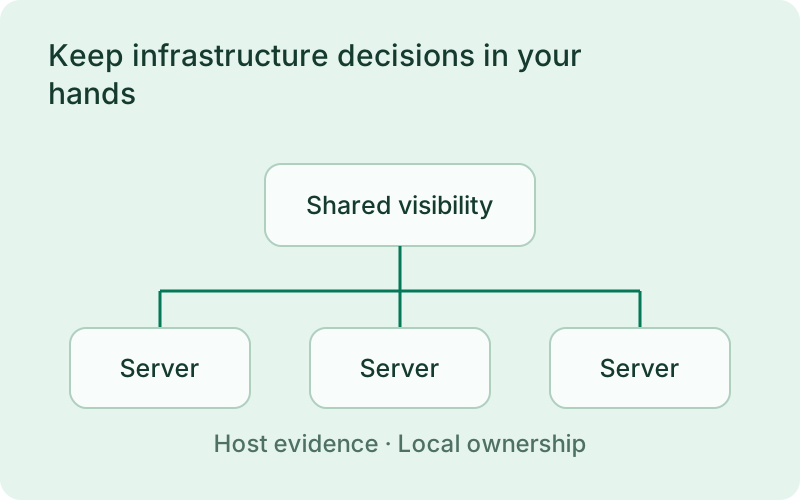
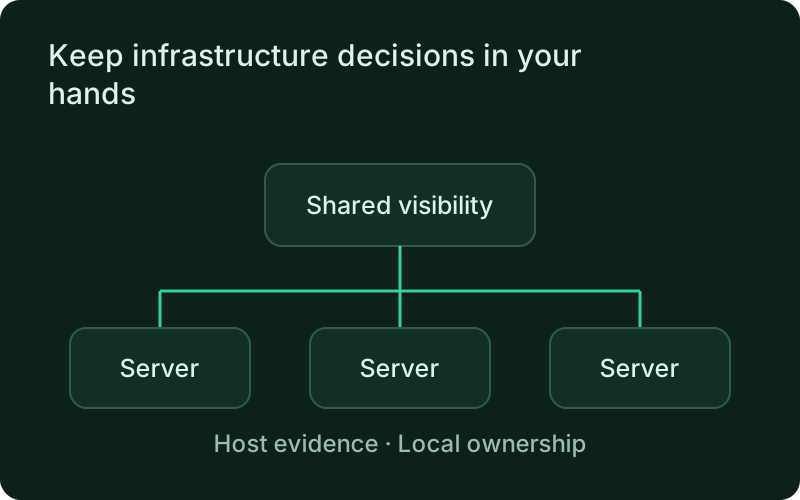
Keep infrastructure decisions in your hands
Phelix runs applications on servers you provide rather than provisioning a platform around them. That can suit a small service or a group of applications that needs a repeatable release process on existing infrastructure. You keep responsibility for host capacity, networking, backups, and recovery of the machine itself. The application workflow supplies version records, readiness decisions, and a route back to a retained release.
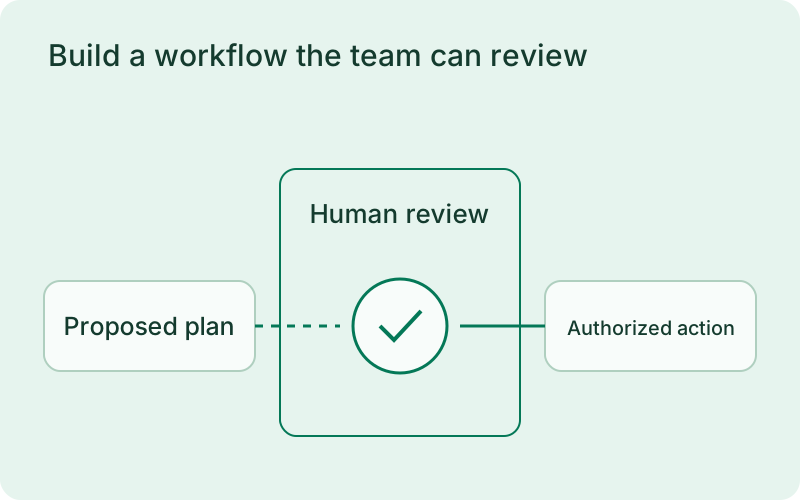
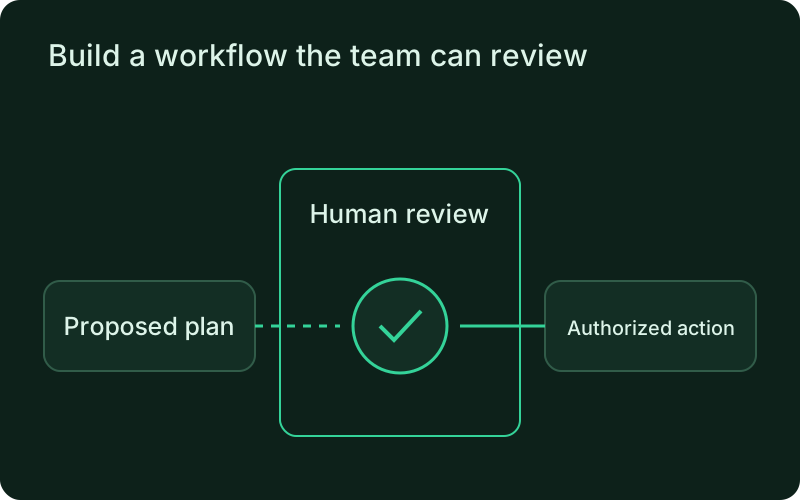
Build a workflow the team can review
A useful operating change leaves enough evidence for another person to understand it. Deployment plans describe proposed actions, maintenance previews show selected updates, and reports retain outcomes and their limits. Use these workflows to agree on the change before applying it and check the result afterward. Whether the request starts with a person, a webhook, or an assistant, the same release and authorization responsibilities remain visible.
Illustrative workflow
Your server
A connected workflow
Working through your release
Find and fix vulnerable server packages
Find and fix vulnerable server packages on your own machine: advisory matching, reviewed package updates, and verified remediation without a SaaS scanner.
Illustrative workflow
Your server
A connected workflow
Working through your release
Automate the steps around a deployment
Automate the steps around a deployment: run migrations, smoke tests, and notifications at the right release point, with outcomes you can inspect.
Illustrative workflow
Your server
A connected workflow
Working through your release
Review the impact of a release
Review the impact of a release on your own server: baseline and observation windows, per-metric regressions, and reports your whole team can read.
Illustrative workflow
Your server
A connected workflow
Working through your release
Run recurring tasks on your server
Run recurring tasks on your own server without another always-on service: versioned one-shot jobs, timezone-aware cron, bounded retries, and run history.
Illustrative workflow
Your server
A connected workflow
Working through your release
Scale workers and rolling services automatically
Scale workers and rolling services automatically on your own host: resource and traffic thresholds, steady cooldowns, and remote pause control.
go module
Deploy Go applications to a server
Deploy a Go application to your own server with one CLI. Build a versioned binary, ship it with zero-downtime cutover, and roll back in one command.
Go process manager
Run and supervise Go applications on your own servers with process lifecycle control, tiered health checks, automatic restarts, and multi-server visibility.
Deploy Rust applications to a server
Deploy a Rust application to your own server with one CLI. Build the release binary, ship it with zero-downtime cutover, and roll back when you need to.
Let AI coding agents deploy your apps
Let AI coding agents like Claude Code and Codex deploy Go and Rust apps through Phelix's MCP server: plan-bound, approval-gated, and denied by default.
Monorepo deployment without per-service scripts
Monorepo deployment on your own servers: workspace detection for go.work and Cargo, dependency-ordered builds, one mesh deploy, and whole-mesh rollback.
Run background workers on your own server
Run queue, stream, and mail workers on your own server without an orchestrator: supervised port-less replicas, restart policies with backoff, exec probes, in-place scaling, and rolling replacement.
Manage secrets on your own server
Manage application credentials on your own server without a vault service: an encrypted per-app store, name-only imports in phelix.yaml, launch-time resolution, and one-command rotation.
Scan dependencies on your own server
Scan Go and Rust dependencies for known vulnerabilities on your own server, without a SaaS scanner: local read-only scans against OSV.dev, evidence-classed findings, and an exit-code CI gate.
Zero-downtime deployment for Go
How zero-downtime deployment works for Go, and how Phelix delivers it: reverse-proxy cutover, blue-green and rolling releases, health gating, canary, and rollback.
One binary between git push and production.
Install the CLI, verify the host, and follow the quick start to build your first application.